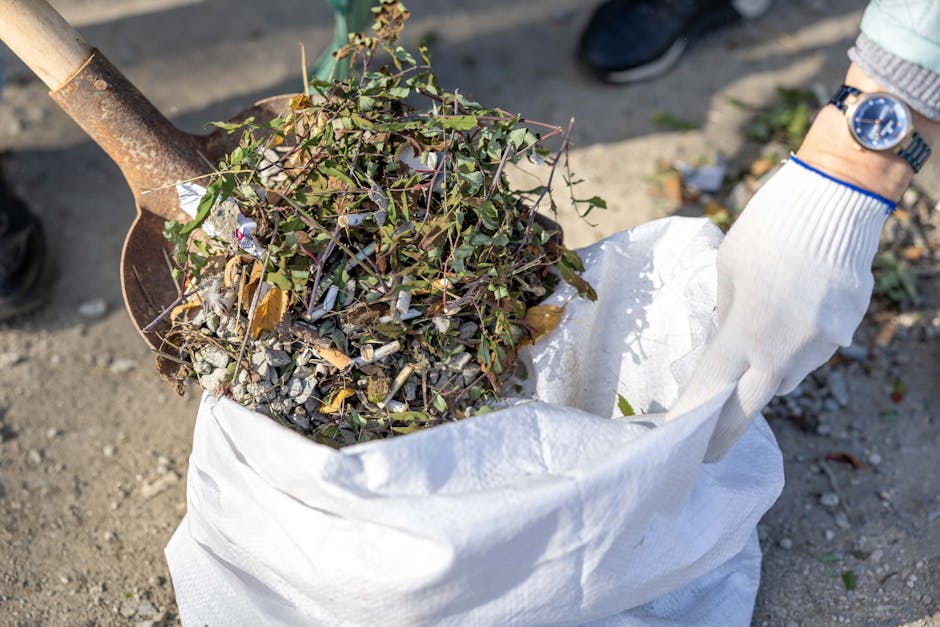
Council fines and green waste rules for Northolt gardeners
If you garden in Northolt, the rules around green waste are one of those things that can quietly turn into a headache. A pile of hedge cuttings looks harmless enough on a bright Saturday morning, but the wrong disposal method can lead to council fines, complaints from neighbours, or a mess that sits there all week. The good news? Once you understand the basics of council fines and green waste rules for Northolt gardeners, it becomes much easier to stay compliant, work neatly, and avoid unnecessary costs.
This guide breaks down what counts as green waste, how local expectations usually work, where gardeners commonly slip up, and how to keep your jobs tidy without overcomplicating the process. You will also find a practical checklist, a comparison table, and plain-English advice that should make day-to-day decisions a lot simpler. No drama. Just clear, usable guidance.
Table of Contents
- Why this matters
- How council fines and green waste rules work
- Key benefits and practical advantages
- Who this is for and when it makes sense
- Step-by-step guidance
- Expert tips for better results
- Common mistakes to avoid
- Tools, resources and recommendations
- Law, compliance, standards, or best practice
- Options, methods, or comparison table
- Case study or real-world example
- Practical checklist
- Conclusion
- Frequently asked questions
Why Council fines and green waste rules for Northolt gardeners Matters
Green waste is one of the easiest parts of garden work to underestimate. Grass cuttings, hedge trimmings, weeds, prunings, and leaves all look like "just garden stuff", but they still need to be managed carefully. In practice, the issue is not the gardening itself. It is what happens after the cut, the trim, or the clearance.
For Northolt gardeners, this matters for three simple reasons. First, councils expect waste to be stored, sorted, and removed properly. Second, even a small mistake can create visible nuisance, especially on narrow residential streets where bins are already stretched. Third, poor handling can increase costs for you or your client if waste has to be re-sorted, reloaded, or removed again. To be fair, nobody wants to pay twice for the same pile of branches.
There is also a trust issue. When a gardener leaves green waste in the wrong place, blocks access, or mixes it with general rubbish, the whole job can look sloppy. That is not just about appearance. It can affect whether a customer recommends you again, whether a landlord is happy, and whether the work stays within the spirit of local rules.
In a place like Northolt, where many gardens back onto neighbours, shared access paths, or compact driveways, neat waste handling is part of good service. You can do everything else right and still cause trouble if the disposal side is messy. A damp Monday pile of clippings at the front gate is the sort of thing nobody forgets.
How Council fines and green waste rules for Northolt gardeners Works
The core idea is straightforward: green waste should be separated from general household rubbish and dealt with through an approved disposal route. What counts as "approved" depends on the local collection setup, private waste arrangements, and whether the work is domestic gardening, contractor-led clearance, or a larger landscaping job.
Most issues arise in one of four places:
- Incorrect sorting: mixing soil, rubble, plastic pots, old timber, or food waste with green waste.
- Unsafe presentation: overfilled bags, loose thorny material, or stacks left where they can blow about.
- Improper set-out: placing waste where it obstructs pavements, driveways, shared paths, or bin collection access.
- Unlicensed removal habits: using informal or unverified disposal arrangements instead of a legitimate waste route.
That does not mean every gardener is going to be fined for a stray bag of grass cuttings. It means the risk rises when waste is dumped, abandoned, or handled in a way that creates a nuisance or breaches local waste expectations. The council fine angle usually enters the picture when waste is fly-tipped, stored badly, or left in a way that suggests careless disposal rather than ordinary garden maintenance.
One practical point that gets missed a lot: green waste is not the same as general rubbish. A bag full of hedge trimmings can often be recycled or composted, but the moment you add broken fence panels, plastic ties, ceramic pots, or builder's debris, it may need a very different treatment. That small mix-up can become an expensive one.
For Northolt gardeners, the easiest way to think about it is this: if the waste came from healthy plant material, it is probably green waste. If it came from repairs, demolition, packaging, or mixed clearances, it may no longer qualify. Simple rule, though the edges can get messy in real life.
Key Benefits and Practical Advantages
Following the rules properly is not only about avoiding penalties. There are some very real practical benefits too.
- Less risk of complaints: Neighbours are less likely to object when waste is tidy, contained, and removed promptly.
- Lower chance of repeat visits: If waste is separated correctly first time, you do not waste time sorting it again later.
- Cleaner job presentation: A neat site makes pruning, mowing, and clearance work look more professional straight away.
- Better cost control: Proper segregation often means fewer surprises in disposal and labour.
- Stronger client confidence: People are far more relaxed when they can see the job has been handled responsibly.
If you work in private gardens, this also helps with repeat business. A customer might not know the exact disposal rules, but they will notice whether the driveway is left clean and whether the front path smells like damp leaves rather than a half-finished skip. Small thing, maybe. But it matters.
Responsible green waste handling also supports a more sustainable approach. Where material can be composted, mulched, or recycled appropriately, it keeps useful organic matter out of mixed rubbish streams. For gardeners who already care about plant health and soil quality, that tends to feel like common sense.
For services that involve bigger jobs, such as garden clearance or seasonal tidy-ups, the benefits become even more obvious. Larger volumes demand clearer sorting, quicker movement, and better planning. Otherwise the day gets longer than it needs to be. Nobody enjoys carrying sacks through a narrow side passage twice.
Who This Is For and When It Makes Sense
This topic matters to more people than you might expect. It is not just for professional gardeners with regular contracts. It also applies to homeowners, landlords, letting agents, tenants, and anyone arranging garden work in Northolt.
You are most likely to need a proper grasp of the rules if you:
- carry out regular garden maintenance at home;
- hire someone to cut hedges, mow lawns, or clear borders;
- manage rental properties where garden waste is generated between tenancies;
- handle seasonal cutbacks after spring growth or autumn leaf fall;
- need to remove large volumes of clippings after landscaping or redesign work.
It also makes sense if you want to avoid awkward conversations with neighbours. A pile of cut branches left outside for too long can trigger complaints faster than most people expect. The same goes for overflowing bags, especially if birds or wind start pulling them apart.
In our experience, the people who benefit most from understanding green waste rules are the ones who do ordinary work well: lawn care, hedge trimming, border tidy-ups, and weekly maintenance. Those jobs generate smaller volumes, but they happen often. That means the little habits matter. A lot.
If you are comparing service options, it is worth looking beyond the cutting itself and checking how the provider handles waste, recycling, and site tidiness. A neat finish is part of the service, not an optional extra. You can read more about this approach through the site's garden maintenance service and broader services overview.
Step-by-Step Guidance
If you want a practical way to stay on the right side of council expectations, use this approach. It is simple, but it works.
- Identify the waste type. Separate green waste from soil, stones, timber, plastic, and packaging before you start bagging anything.
- Keep clean material apart. Grass cuttings, leaves, soft prunings, and hedge trimmings should be kept together where possible.
- Use sturdy containers or sacks. Weak bags split at the worst time, usually when you are already late. Annoying, yes.
- Do not overload. Heavy, overpacked bags are harder to lift and more likely to tear or spill on the way out.
- Check access and placement. Keep waste away from paths, gates, and shared access routes unless it is ready for prompt collection.
- Arrange removal properly. Use a suitable disposal route for the volume involved, especially after big cutbacks or clearances.
- Leave the area tidy. Sweep up loose leaves, twigs, and clippings so the job is visibly complete.
For bigger jobs, a more planned clearance approach usually works best. That is where a dedicated garden clearance service can be useful, especially if the site includes more than just plant matter. A collection of old plant pots, broken edging, and prunings is a different animal from a simple hedge trim.
It also helps to decide early whether material is going to be reused. For example, some soft cuttings can be chipped, some leaves can be composted, and some woody trimmings can be bundled separately. Nothing fancy. Just organised. And organised tends to be cheaper, cleaner, and less stressful.
Expert Tips for Better Results
Here is the kind of advice that saves problems later, not just today.
- Plan waste handling before you start cutting. If you leave disposal until the end, the site fills up fast and the workflow gets clumsy.
- Separate green waste by texture. Soft grass clippings behave very differently from woody hedge trimmings.
- Keep a small holding area clean. A tidy corner for temporary stacking reduces the chance of waste spreading across the garden.
- Use seasonal timing wisely. After wet weather, green waste becomes heavier and messier, so avoid letting piles sit too long.
- Watch for contamination. One broken plant pot or strip of plastic can complicate an otherwise straightforward load.
For hedge-heavy jobs, the waste volume can be surprisingly deceptive. A neatly trimmed boundary hedge may look modest while you are cutting it, then suddenly turn into a full sack-and-barrow operation by mid-afternoon. If you know that's coming, you can prepare properly. A bit of forward thinking saves a lot of dragging.
If you are working around structures, patios, or decking, be careful not to let damp clippings stain surfaces or create slip risks. That matters especially near steps and side returns. If needed, combine the work with services like hedge trimming or even decking services when the job involves nearby surfaces that need protection and care.
And honestly, a clean tarp is underrated. Not glamorous. But it saves time, keeps paths neater, and stops loose debris from travelling everywhere when the wind picks up. A small thing, but very useful on an ordinary Northolt day.
Common Mistakes to Avoid
Most green waste problems come from a handful of predictable mistakes. Once you know them, they are easier to dodge.
- Mixing waste streams: putting soil, rubble, turf, or general rubbish into green waste bags.
- Leaving waste out too long: this can create mess, attract complaints, and make the job look unfinished.
- Using weak bags: split sacks are one of the quickest ways to turn a tidy job into a slippery one.
- Ignoring access issues: waste left across a shared route can become a nuisance very quickly.
- Assuming "garden waste" means anything garden-related: it does not. Broken fixtures, old fencing, and construction leftovers usually do not belong there.
- Waiting until the end to sort waste: by then it is often too late to separate everything efficiently.
One mistake that comes up more often than people admit is overconfidence. "It's only a few bags." Then there are eight bags, a pile of branches, two wet sacks, and a half-swept path. Happens all the time. The fix is not complicated, just more honest planning at the start.
If the work involves trees or thicker woody material, you may need to treat the output differently from normal soft garden waste. That is where tree lopping and removal becomes relevant, because heavier arisings can change the disposal plan and the amount of labour needed.
Tools, Resources and Recommendations
You do not need specialist equipment to stay compliant, but a few practical tools make a big difference.
- Heavy-duty sacks or reusable garden bags: better for thorny cuttings and damp waste.
- Tarpaulins: useful for moving waste without spreading debris across the patio or driveway.
- Wheelbarrow or garden cart: helps keep lifting manageable, especially after larger trims.
- Hand shears and loppers: create cleaner cuts and more manageable waste sizes.
- Rake and broom: essential for the final tidy-up, which people often rush. Don't.
For households or small commercial jobs, the best resource is often a clear process rather than a clever tool. A short waste plan before the work starts is usually enough: what will be cut, what needs separating, where it will be stored, and how it will leave the site.
If you want a more sustainable angle, the site's recycling and sustainability page is a useful place to understand the broader approach. It is not just about being tidy. It is also about reducing avoidable waste and handling garden material in a more thoughtful way.
For practical business questions, the pages on pricing and quotes, payment and security, and insurance and safety can also help set expectations before any work starts. That is especially useful if you are organising regular maintenance or a larger one-off clearance.
Law, Compliance, Standards, or Best Practice
It is worth being careful here. Council enforcement and waste rules can vary in detail, and local expectations may change over time. So rather than trying to pin down every possible rule, it is safer to focus on the accepted best practice that usually keeps gardeners on solid ground.
In plain English, the safest approach is:
- separate green waste from general rubbish and construction debris;
- use a legitimate disposal method for any material removed from site;
- avoid leaving waste where it blocks access or creates a nuisance;
- check local collection arrangements before assuming anything can go into normal bins;
- keep records or notes if you are handling waste as part of regular professional work.
For professional gardeners, good compliance is not just about avoiding fines. It is also about showing reasonable care, keeping sites safe, and reducing the chance of disputes later. That links naturally with broader service standards, including tidy handover, safe manual handling, and responsible waste movement.
To put it another way: if your work leaves a client with a cleaner garden and no awkward disposal problem, you are already doing a lot right. And that is the standard people remember.
If you want to understand the company's approach to working safely and responsibly, the pages on health and safety policy and services overview are useful starting points. They help set the tone for what careful, professional garden work should look like.
Options, Methods, or Comparison Table
Different jobs call for different waste-handling methods. Here is a simple comparison that may help when deciding how to manage your green waste.
| Method | Best for | Pros | Limitations |
|---|---|---|---|
| Home composting | Small, clean organic material | Low cost, sustainable, useful for soil improvement | Not suitable for large volumes or woody material |
| Bagged collection | Routine grass, leaves, and soft cuttings | Easy to organise, keeps the site tidy | Can be heavy; bags must stay secure and manageable |
| Dedicated clearance service | Larger or mixed garden jobs | Handles higher volumes and awkward waste better | Usually more expensive than simple self-disposal |
| Mulching or chipping | Woody prunings and shrub waste | Reduces volume and can support garden reuse | Needs the right equipment and the right type of material |
For smaller domestic gardens, bagged collection or home composting may be enough. For busier sites, repeated pruning, or jobs involving more than simple cuttings, a structured clearance approach is usually less stressful. The trick is not choosing the fanciest method. It is choosing the one that fits the amount and type of waste you actually have.
Case Study or Real-World Example
Imagine a typical Northolt terrace with a front hedge, a modest back garden, and a narrow side return. The job looks straightforward at first: cut the hedge, mow the lawn, pull a few weeds, and clear the leaves under the fence line. Nice and easy, or so it seems.
Halfway through, the hedge trimming produces more waste than expected. The lawn clippings are wet. A few old plastic ties have been missed in the border. And because the side access is tight, the bags have to be moved carefully to avoid brushing against the neighbour's path. That is where good planning makes the difference.
In a job like that, the best approach is to separate the clean green waste immediately, keep the mixed bits out of the main pile, and arrange removal in a way that does not leave the front of the property looking abandoned. If the team also has to reshape shrubs or deal with older growth, then combining the work with lawn mowing and hedge trimming gives a cleaner end result and a simpler waste stream.
The practical lesson? Most problems are not caused by huge mistakes. They come from ordinary jobs that were not planned quite tightly enough. A few minutes of sorting at the start saves a lot of back-and-forth later.
Practical Checklist
Use this checklist before you finish any garden job involving cuttings or clearance.
- Have I separated green waste from soil, rubble, plastic, and general rubbish?
- Are my bags or containers strong enough for the load?
- Have I avoided overfilling anything that needs lifting?
- Is the waste stored in a place that does not block access?
- Have I removed loose clippings from paths, patios, and driveways?
- Do I know where the waste is going next?
- Is there any mixed material that needs to be sorted out before disposal?
- Have I checked whether the job needs a larger clearance plan?
- Would I be happy for a neighbour to see the site exactly as it stands now?
If you can answer "yes" to most of those, you are probably in good shape. If not, pause and tidy it up before you leave. That one extra sweep can save a lot of hassle.
For larger or ongoing jobs, it can also be helpful to review how your provider works and who is doing the lifting, disposal, and site clean-up. If you want to learn more about the business behind the service, the about us page is a straightforward place to start.
Get a free quote today and see how much you can save.
Conclusion
Council fines and green waste rules for Northolt gardeners are not really about making life awkward. They are about keeping waste manageable, reducing nuisance, and handling garden jobs in a way that feels orderly and responsible. Once you understand the difference between green waste and mixed rubbish, most of the stress drops away.
The best results come from simple habits: sort early, bag properly, keep access clear, and plan removal before the pile grows. That is especially true in Northolt, where gardens can be compact, neighbours close by, and job finishes very visible from the street. A tidy garden is nice. A tidy exit is even better.
If you are dealing with regular maintenance, hedge work, or a bigger clearance, a little planning goes a long way. Truth be told, the people who handle waste well usually make the whole job look easier than it really is. And that is the kind of detail clients remember, even if they never say it out loud.
Frequently Asked Questions
What counts as green waste in a Northolt garden?
Green waste usually means organic garden material such as grass cuttings, hedge trimmings, leaves, weeds, soft prunings, and small plant debris. If you mix in rubble, plastic, old fencing, or general rubbish, it may no longer be treated as green waste.
Can council fines happen if I leave garden waste out for too long?
They can, depending on the situation and local enforcement. The main risk comes when waste is left in a way that creates a nuisance, blocks access, or looks like improper dumping rather than a legitimate collection arrangement.
Do small piles of grass cuttings really matter?
They do if they are left in the wrong place or allowed to spread. A small pile can turn messy quickly in wet weather, especially if wind, birds, or foot traffic start moving it around.
What is the safest way to handle hedge trimmings?
Separate them from mixed waste, keep them in strong bags or on a tarp, and avoid overfilling the load. Hedge material can be awkward because it often looks lighter than it is until you try to move it.
Should I put garden waste with my normal household bins?
Not automatically. Garden waste and household rubbish are usually handled differently, so it is best not to assume they can be mixed. Check the local setup first or use a proper disposal route.
What if my garden waste includes soil or turf?
Soil and turf can change how the waste needs to be managed because they are heavier and less straightforward than loose cuttings. They are often treated separately from standard green waste, especially on bigger jobs.
Is composting a good option for Northolt gardeners?
Yes, for suitable clean organic material and smaller volumes. It is a sensible choice for leaves, light clippings, and soft plant matter, though it is not the right answer for everything.
How do I reduce the risk of complaints from neighbours?
Keep waste neat, remove it promptly, avoid blocking shared access, and finish with a proper sweep-up. Most neighbour complaints start with visible clutter, not the gardening itself.
Do professional gardeners usually handle waste removal?
Many do, but not all in the same way. Some include removal as part of the job, while others separate it or price it differently. It is sensible to confirm the arrangement before work begins.
What should I check before booking a garden clearance?
Ask how waste will be separated, removed, and priced, and whether the job includes a final tidy-up. A proper clearance should leave the site cleaner, not just emptier.
Are there special rules for tree cuttings and larger branches?
Yes, larger woody waste often needs different handling from soft green waste. It may need separate stacking, chipping, or removal arrangements, especially if the volume is significant.
How can I tell if my gardener is being careful about compliance?
Look for clear sorting, tidy work areas, sensible storage of waste, and a calm, organised finish. If the site looks neat before they leave, that is usually a good sign they have managed the waste properly too.